The excitement around the Nintendo Switch 2 is undeniable. Gamers across the world—and especially in India—have been eagerly waiting for Nintendo’s next-generation console. With improved performance, better graphics, and enhanced gameplay experiences, the Switch 2 promises to take Nintendo gaming to a completely new level.
However, alongside this excitement comes a growing concern: gaming is becoming more expensive. From rising console prices to higher game costs, the overall financial commitment required to enjoy modern gaming is steadily increasing.
For Indian gamers, the situation is even more complex. Limited official support, high import duties, and payment-related challenges make Nintendo gaming significantly more expensive compared to other regions.
But here’s the key insight—while gaming is becoming expensive, it is also becoming smarter. Players who understand pricing trends and adopt the right strategies can still save a significant amount of money.
In this comprehensive guide, we will explore why the Nintendo Switch 2 is getting expensive, how this affects Indian gamers, and most importantly, how you can continue to enjoy Nintendo games without overspending.
The Rising Cost of Gaming in 2026
A Global Industry Shift
The increase in gaming costs is not limited to Nintendo. The entire gaming industry is experiencing a rise in prices due to multiple global factors. Whether it’s PlayStation, Xbox, or PC gaming, players are seeing higher costs across the board.
This shift is driven by a combination of economic and technological factors that have reshaped how games are developed, distributed, and consumed.
Inflation and Economic Pressure
Global inflation has had a significant impact on manufacturing and distribution costs. Everything from raw materials to shipping expenses has become more expensive, and these costs are ultimately passed on to consumers.
For gaming companies, maintaining profitability while delivering high-quality experiences requires price adjustments.
Advanced Hardware Requirements
Modern gaming consoles are far more powerful than their predecessors. The Nintendo Switch 2 is expected to include upgraded processors, better GPUs, and enhanced memory systems.
These improvements come at a cost. Advanced hardware components are expensive to produce, especially in a market where demand is high and supply is limited.
Why Nintendo Switch 2 Is Getting Expensive
1. Semiconductor Demand and Supply Issues
The global semiconductor industry is under immense pressure due to rising demand from multiple sectors, including AI, automotive, and consumer electronics.
This has made chips more expensive, directly impacting the cost of gaming consoles.
2. Increased Development Costs for Games
Game development has evolved significantly over the past decade. Modern games require:
- High-quality graphics
- Complex gameplay mechanics
- Large open worlds
- Advanced AI systems
All of these factors contribute to higher development budgets, which are reflected in game prices.
3. Import Duties in India
For Indian gamers, the cost of the Nintendo Switch 2 is further increased by import duties and taxes. Since Nintendo does not have a strong local presence, consoles and physical games are often imported, making them more expensive.
4. Currency Conversion Impact
The value of the Indian Rupee against global currencies also affects pricing. When purchasing games or hardware from international platforms, currency conversion rates can significantly increase costs.
Digital vs Physical: A Cost Advantage for Smart Gamers
Why Digital Games Are Cheaper
Despite rising costs, Nintendo has introduced a strategy that benefits gamers—digital games are now cheaper than physical copies.
This is possible because digital distribution eliminates:
- Manufacturing costs
- Packaging expenses
- Shipping and logistics
- Retail margins
Long-Term Savings Through Digital Gaming
Over time, digital purchases can lead to significant savings, especially when combined with discounts and promotions.
For Indian gamers, this advantage is even more pronounced due to the high cost of physical imports.
Challenges Faced by Indian Gamers
Limited Nintendo Support
Nintendo does not have a fully localized ecosystem in India. This creates challenges in accessing services, pricing, and support.
Payment Barriers
Many Indian gamers face issues such as:
- International card declines
- Bank restrictions
- Extra transaction fees
High Cost of Physical Games
Physical copies are often overpriced due to limited availability and import costs.
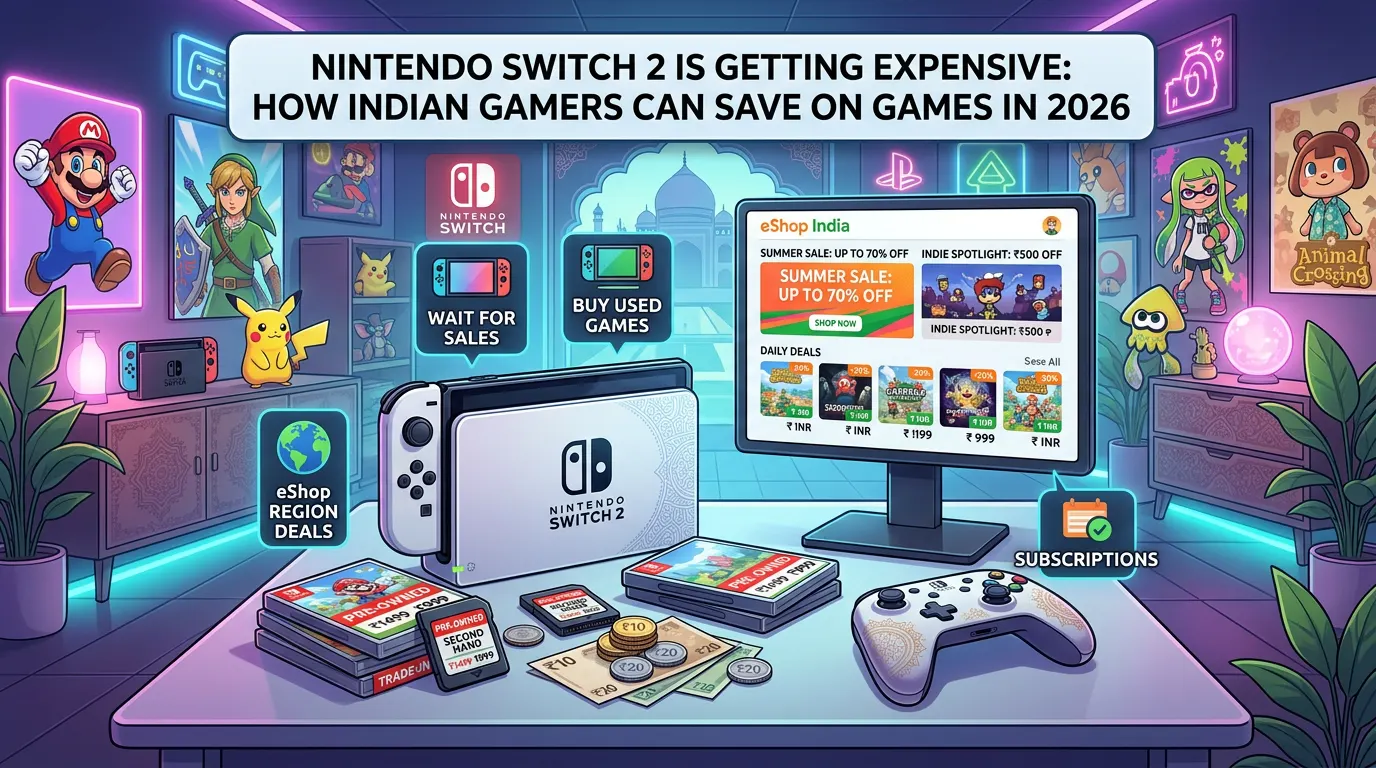
Smart Strategies to Save Money on Nintendo Games
1. Prioritize Digital Purchases
Switching to digital gaming is one of the most effective ways to save money. Digital games are not only cheaper but also more convenient.
2. Track Seasonal Sales
Nintendo frequently offers discounts during major sales events. Keeping track of these events can help you buy games at lower prices.
3. Use Gift Cards for Purchases
Gift cards provide a simple and reliable way to purchase games without dealing with international payment issues.
You can explore options here: StanShop
Browse gaming products here: Gaming Gift Cards
For Nintendo purchases: Nintendo eShop Gift Card
4. Plan Purchases Strategically
Avoid buying games at launch unless necessary. Waiting for discounts can lead to significant savings.
5. Combine Discounts with Gift Cards
Using gift cards during sales allows you to maximize savings and avoid additional charges.
The Future of Gaming Pricing
Dynamic Pricing Models
Gaming companies are increasingly adopting dynamic pricing strategies, where prices fluctuate based on demand and timing.
Subscription-Based Gaming
Subscription models are becoming more popular, offering access to multiple games for a fixed monthly fee.
Digital-First Ecosystems
The future of gaming is clearly digital, with companies focusing on online distribution and services.
Conclusion
The Nintendo Switch 2 may be getting more expensive, but that doesn’t mean gaming has to become unaffordable.
By understanding industry trends and adopting smart strategies, Indian gamers can continue to enjoy high-quality gaming experiences without overspending.
The key is to stay informed, plan purchases carefully, and use tools like gift cards to your advantage.
In 2026, the smartest gamers are not the ones who spend the most—they’re the ones who spend wisely.
You can explore more about Nintendo e-Shop Gift Cards:-
- Nintendo Switch 2 Pricing Strategy: Why Digital Games Are Cheaper Than Physical in 2026
- Nintendo Ending Game Vouchers in 2026: What Gamers Should Do Next
- Future of Nintendo eShop in India: Will Nintendo Launch Official Support Soon?
- Top Nintendo eShop Deals & Trends in 2026: How Gamers Are Saving More on Digital Games
Find out more information about other gift cards, browse all blogs here:- StanShop Blogs
FAQs
1. Why is the Nintendo Switch 2 more expensive than previous consoles?
The increased cost is due to advanced hardware, rising production expenses, and global economic factors such as inflation and supply chain disruptions.
2. Are digital games always cheaper than physical games?
In most cases, yes. Digital games eliminate manufacturing and distribution costs, allowing companies to offer lower prices.
3. How can Indian gamers avoid payment issues?
Using gift cards is one of the most reliable ways to avoid international payment challenges.
4. Is it better to wait for sales before buying games?
Yes, waiting for sales can significantly reduce the cost of games.
5. Can I combine multiple gift cards?
Yes, multiple gift cards can be redeemed into a single account balance.
6. Will gaming continue to get more expensive?
Industry trends suggest that costs will continue to rise, especially for high-end gaming experiences.
7. Are gift cards safe to use?
Yes, as long as they are purchased from trusted platforms.
8. What is the best way to save money on Nintendo games?
Use digital purchases, track discounts, and combine them with gift cards.
9. Do digital games have resale value?
No, digital games cannot be resold, unlike physical copies.
10. What is the future of Nintendo pricing strategy?
Nintendo is expected to focus on digital distribution, dynamic pricing, and online services.